Bill proposes Sh10 million fines, imprisonment for illegal organ harvesting
A new Kenyan Bill proposes fines of up to Sh10 million and 10-year jail terms for unauthorised organ removal, creates a national regulator and follows a probe into alleged trafficking at Mediheal Hospital.
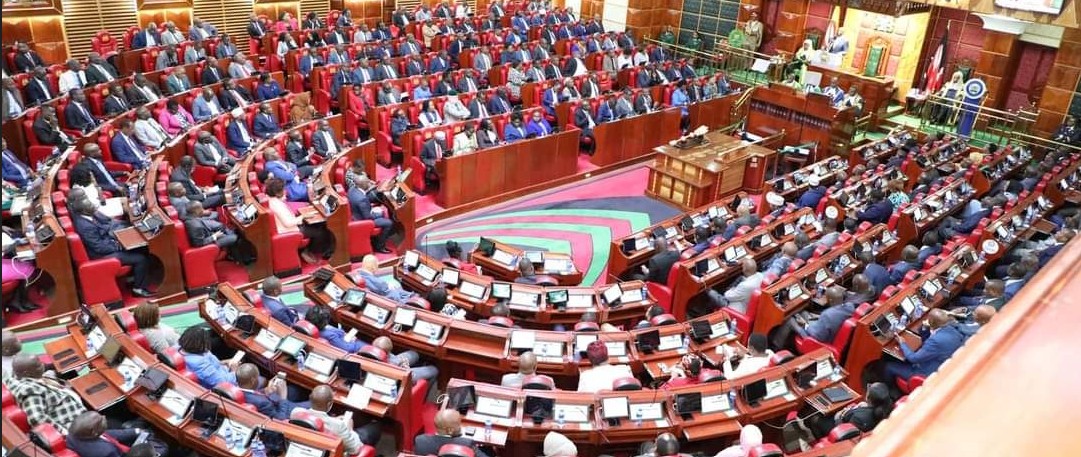
Individuals involved in unauthorised removal of human tissue could face fines of up to Sh10 million or imprisonment for up to 10 years if Parliament passes a new Bill aimed at tightening ethical controls in Kenya’s organ donation and transplantation system.
The Human Tissue and Organ Transplantation Bill, 2024, proposes wide-ranging reforms to curb exploitation, enforce strict consent procedures and dismantle illegal organ harvesting networks.
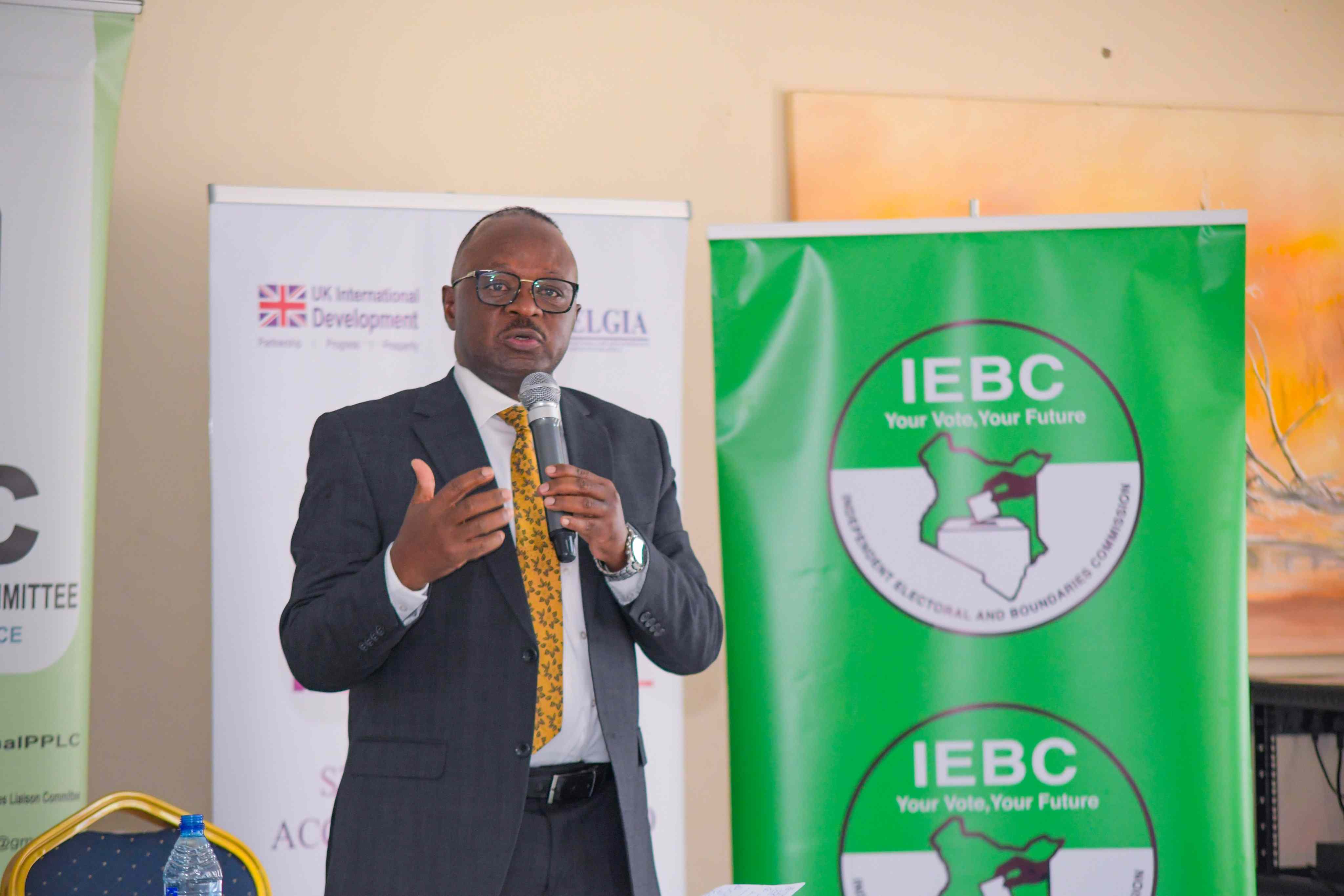
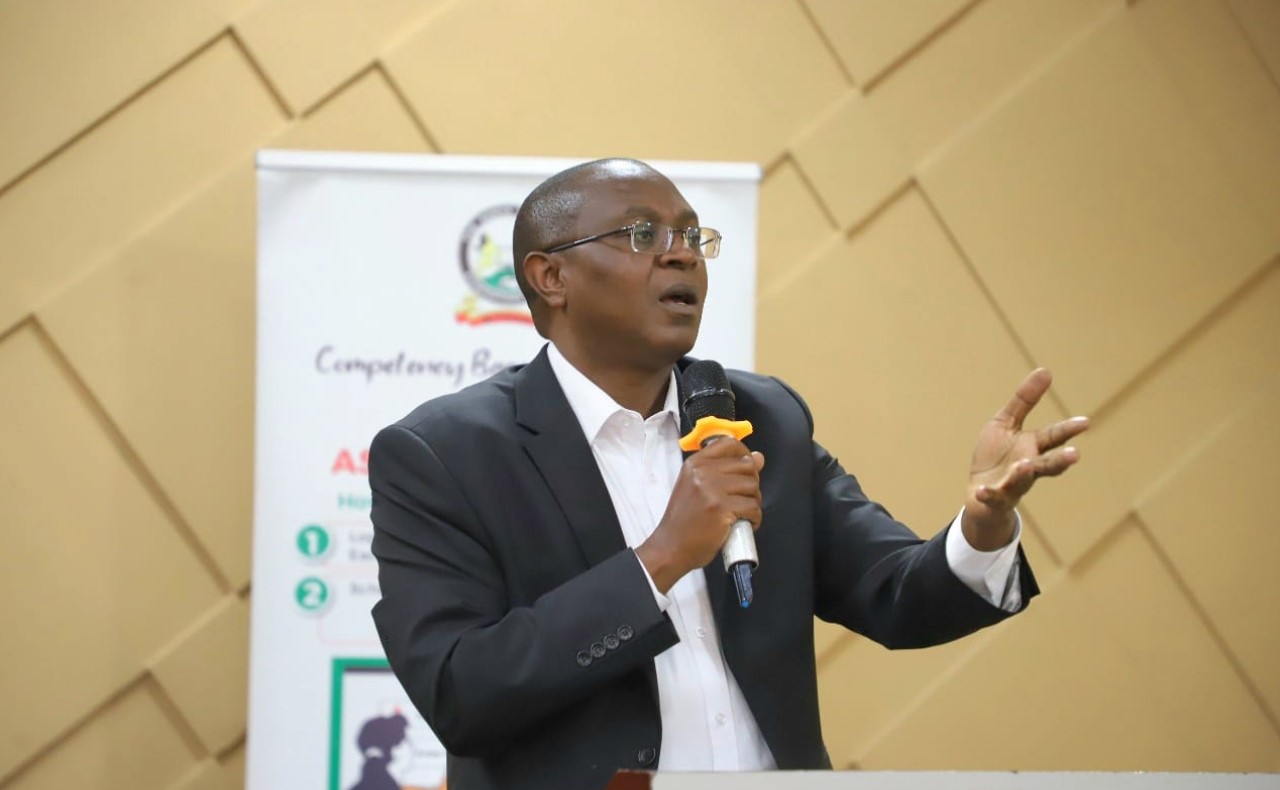
Embakasi West MP Mark Mwenje, who sponsored the Bill, told the Health Committee that the Bill seeks to protect vulnerable individuals from exploitation.
"The primary objective is to establish a robust legal framework that regulates the donation and transplantation of human organs solely for therapeutic purposes, ensuring the safety of donors and recipients while curbing illegal organ harvesting. What we are doing is creating an entire law to address issues of harvesting. What was done in 2022 has not been effective, and that is why we need this substantive law, and the lacuna that exists will be addressed," he said.
The Bill proposes the creation of the Kenya Tissue and Organ Transplantation Authority, tasked with regulating all services, registering facilities and ensuring ethical transplantation practices.
Donations would require written consent signed in the presence of at least two competent witnesses. For minors, the Bill mandates approval from the National Council for Children's Services and ensures the procedure poses minimal risk.
"This Bill seeks to fill a critical lacuna in Kenyan law. By establishing a regulator and imposing heavy fines and jail terms for illegal trade and unauthorised procedures, it aims to dismantle illegal organ harvesting networks and restore public confidence in the medical transplantation system," Mwenje said.
The Bill criminalises the commercialisation of organ donation, making it illegal to buy or sell human organs. Offenders could face fines of up to Sh5 million, imprisonment for up to five years, or both.
Those who remove human tissue or organs without proper authority or outside registered facilities risk fines of up to Sh10 million, imprisonment for up to 10 years, or both. Other breaches, such as failing to follow consent protocols, would attract general penalties outlined in the Bill.
The proposed law follows a report by the Independent Investigative Committee on Tissue and Organ Transplant Services, which recommended criminal charges against Mediheal Hospital founder Dr Swarup Mishra for alleged involvement in organ trafficking.
The 314-page report, presented to CS Aden Duale, exposed irregularities suggesting an international kidney harvesting syndicate. Data covering 452 donors and 447 recipients showed that 417 donors and 340 recipients were handled by Mediheal Hospital in Eldoret between 2018 and March 2025. Male patients accounted for three out of four cases, while 44 per cent of recipients were Kenyan residents, 16 per cent non-Kenyan, and nearly 39 per cent of unknown nationality.
The 18-member government taskforce investigating organ trafficking recommended probing four senior hospital officials for unlawful kidney transplants and breaches of medical ethics. Selling human organs remains illegal in Kenya, with hospital management warning, "Please note that organ sale is strictly prohibited and illegal. You can only donate voluntarily and not sell. Only relatives of the patient may donate kidneys."
Duale warned Mishra of potential revocation of his citizenship, deportation and closure of his hospitals if found guilty.
"You cannot come to our country 20 years ago with a bag, you make money, you sell our organs, you become a Member of Parliament, you develop a culture of impunity, you hire lawyers, and when you’re pursued, you threaten us? If it means us revoking that citizenship because your citizenship is not by birth, we will revoke the citizenship, we will close your hospital and deport you," he said.
Globally, the United Nations and World Health Organisation (WHO) have raised concerns over illegal organ markets, warning that they exploit vulnerable populations and fuel organised crime.
Kenya’s Ministry of Health established the National Blood Transfusion Services and Human Organs Transplantation Unit in 2019 to implement organ donation regulations, allowing voluntary pledges before death. Nduku Kilonzo, programme director, said preparations continue to strengthen legal organ transplantation support systems.
Mishra has maintained he is willing to face consequences if found guilty. "Let the law take its course. I am prepared to face consequences if found guilty," he said.
He added that Mediheal has conducted 476 kidney transplants since 2018-371 for Kenyans and 105 for foreign patients, with a mortality rate below 10 per cent. Charges range from $35,000 (Sh4.5m) for foreigners to $25,000 (Sh3.2m) for Africans, compared to up to $150,000 (Sh19.4m) in overseas hospitals.
Mishra faces further financial strain, with auctioneers set to sell six key Eldoret properties on December 10 over loan arrears. These include hospital buildings, residential estates and farmland. High Court Judge Reuben Nyakundi previously halted the sale, citing insufficient evidence that the properties secured the loans.
Top Stories Today